

Dental health is crucial for children as it sets the foundation for their oral health throughout their lives. It is important for parents and dentists to work together to create a positive dental experience for children. A positive experience can have a significant impact on a child’s future dental health, while a negative experience can lead to dental anxiety and potential long-term consequences. In this article, we will explore the importance of a positive dental experience for children and provide tips for parents and dentists to create a welcoming and comfortable environment.
The Importance of a Positive Dental Experience for Children
A positive dental experience can shape a child’s attitude towards oral health and dentistry. When children have positive experiences at the dentist, they are more likely to develop good oral hygiene habits and maintain regular dental visits as they grow older. On the other hand, a negative dental experience can have long-lasting effects on a child’s oral health. It can lead to dental anxiety, fear of dental procedures, and avoidance of dental visits.
Understanding Dental Anxiety in Children
Dental anxiety is a common issue among children and can be caused by various factors such as fear of pain, fear of the unknown, or previous negative experiences. Dental anxiety can have significant consequences on a child’s oral health as it may lead to avoidance of dental visits, delayed treatment, and poor oral hygiene habits. It is important for parents and dentists to understand the causes of dental anxiety in children in order to address it effectively.
Tips for Parents to Prepare Children for Dental Visits
Parents play a crucial role in preparing their children for dental visits and helping them feel more comfortable. Here are some practical tips for parents:
1. Start early: Introduce your child to the dentist at an early age, even before their first dental visit. Talk to them about what to expect and answer any questions they may have.
2. Use positive language: Avoid using negative or scary words when talking about dental visits. Instead, use positive language to describe the experience and emphasize the importance of oral health.
3. Role-play: Play pretend dentist at home to familiarize your child with the dental visit routine. Use a toothbrush and mirror to show them how the dentist will examine their teeth.
4. Read books or watch videos: There are many children’s books and videos available that explain dental visits in a fun and engaging way. Use these resources to help your child understand what will happen during their visit.
5. Be a role model: Show your child that dental visits are a normal part of life by attending your own dental appointments regularly and maintaining good oral hygiene habits.
How Dentists Can Create a Positive Environment for Children
Dentists play a crucial role in creating a positive dental experience for children. Here are some strategies that dentists can use to create a welcoming and positive environment:
1. Create a child-friendly waiting area: Design the waiting area with children in mind, including toys, books, and colorful decorations. This will help children feel more at ease before their appointment.
2. Use child-friendly language: Speak to children in a way they can understand, using simple and age-appropriate language. Avoid using medical jargon or scary terms.
3. Build rapport: Take the time to build a rapport with each child by engaging in conversation, asking about their interests, and addressing any concerns they may have.
4. Provide distractions: Use distractions such as TVs, music, or interactive games to help children relax during dental procedures.
5. Offer rewards: Provide small rewards such as stickers or toys after each visit to reinforce positive behavior and create a positive association with dental visits.
The Role of Communication in a Positive Dental Experience
Clear and effective communication is essential for creating a positive dental experience for children. Dentists, parents, and children should all be on the same page and understand what to expect during dental visits. Here are some tips for dentists to communicate effectively with children:
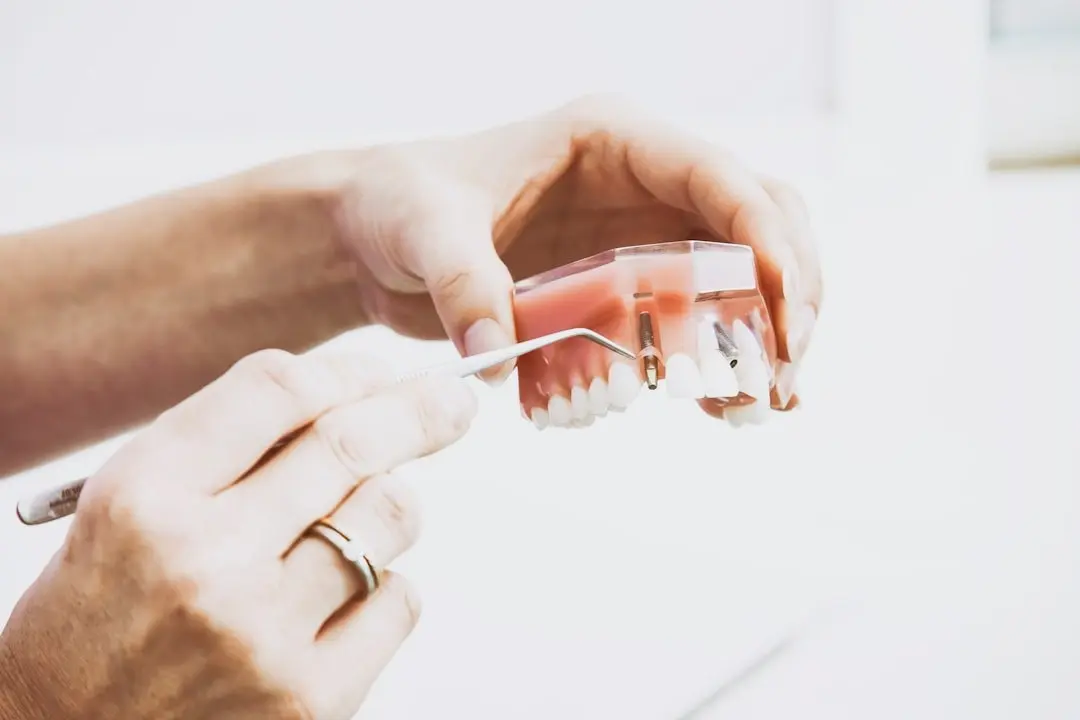
1. Use visual aids: Utilize visual aids such as diagrams or models to explain dental procedures and oral hygiene practices in a clear and visual way.
2. Take breaks: During longer procedures, allow children to take breaks and communicate their needs. This helps them feel more in control and reduces anxiety.
3. Use positive reinforcement: Praise children for their cooperation and positive behavior during dental visits. This encourages them to continue practicing good oral hygiene habits.
4. Listen actively: Take the time to listen to children’s concerns and address any questions they may have. This shows that their feelings are valid and helps build trust.
Techniques to Help Children Relax During Dental Procedures
Dental procedures can be intimidating for children, but there are various techniques that dentists can use to help them relax:
1. Tell-show-do technique: Explain the procedure to the child, show them the instruments, and then perform the procedure. This helps alleviate fear of the unknown.
2. Nitrous oxide: Nitrous oxide, also known as laughing gas, can be used to help children relax during dental procedures. It is safe and wears off quickly.
3. Distraction techniques: Use distractions such as music, movies, or handheld games to divert the child’s attention during dental procedures.
4. Comfort measures: Provide comfort measures such as blankets or pillows to help children feel more at ease during dental procedures.
The Benefits of Positive Reinforcement in Dentistry
Positive reinforcement is a powerful tool in encouraging good dental habits in children. By rewarding positive behavior, children are more likely to continue practicing good oral hygiene habits. Here are some examples of effective positive reinforcement techniques:
1. Verbal praise: Offer verbal praise and encouragement when children brush their teeth properly or cooperate during dental visits.
2. Sticker charts: Create a sticker chart where children can earn stickers for each time they brush their teeth or have a successful dental visit. Once they reach a certain number of stickers, they can receive a small reward.
3. Small rewards: Offer small rewards such as toys, books, or treats after successful dental visits or when children consistently practice good oral hygiene habits.
4. Certificates of achievement: Present children with certificates of achievement for maintaining good oral hygiene habits or for their cooperation during dental visits.
How Technology Can Enhance the Dental Experience for Children
Technology can be used to create a more positive and engaging dental experience for children. Here are some examples of technology that can be used in dentistry:
1. Virtual reality: Virtual reality headsets can be used to distract children during dental procedures and create a more immersive and enjoyable experience.
2. Dental apps: There are many dental apps available that can educate children about oral health, provide interactive games, and track their brushing habits.
3. Digital imaging: Digital imaging allows children to see real-time images of their teeth and gums, helping them understand the importance of oral health and the impact of their brushing habits.
4. Tele-dentistry: Tele-dentistry allows dentists to provide remote consultations and guidance to children and their parents, making dental care more accessible and convenient.
Addressing Common Dental Phobias in Children
There are common dental phobias that children may experience, but dentists can take steps to address them:
1. Fear of needles: Use numbing gels or distraction techniques to minimize discomfort during injections. Explain the purpose of the injection and reassure the child that it will help prevent pain during the procedure.
2. Fear of loud noises: Use noise-canceling headphones or play calming music to reduce anxiety caused by loud dental equipment.
3. Fear of choking or gagging: Use smaller instruments or modify procedures to minimize the risk of choking or gagging. Communicate with the child throughout the procedure to ensure their comfort.
4. Fear of the dental chair: Allow children to sit in the dental chair before the procedure begins and adjust it to their comfort level. This helps them feel more in control and reduces anxiety.
The Long-Term Effects of a Positive Dental Experience on Children’s Oral Health
A positive dental experience can have long-term effects on a child’s oral health. When children have positive experiences at the dentist, they are more likely to maintain regular dental visits, practice good oral hygiene habits, and seek timely treatment when needed. This leads to better oral health outcomes and reduces the risk of dental problems such as cavities, gum disease, and tooth loss.
Creating a positive dental experience for children is crucial for their long-term oral health. By working together, parents and dentists can help children feel more comfortable and develop positive attitudes towards oral health and dentistry. By implementing practical tips, utilizing technology, and providing effective communication, children can have positive dental experiences that set them up for a lifetime of good oral health.
FAQs
What is a positive dental experience?
A positive dental experience is when a child feels comfortable and at ease during their dental visit, resulting in a positive attitude towards dental care in the future.
Why is it important to create a positive dental experience for children?
Creating a positive dental experience for children helps to establish good oral hygiene habits and reduces the likelihood of dental anxiety or phobia in the future.
What can parents do to create a positive dental experience for their child?
Parents can prepare their child for the dental visit by explaining what will happen, choosing a dentist who is experienced with children, and using positive language when discussing dental care.
What can dentists do to create a positive dental experience for children?
Dentists can create a child-friendly environment, use age-appropriate language, explain procedures in a non-threatening way, and offer positive reinforcement during the visit.
What are some common fears children have about going to the dentist?
Common fears children have about going to the dentist include fear of pain, fear of the unknown, fear of the dentist or dental tools, and fear of being separated from their parents.
How can parents and dentists work together to create a positive dental experience?
Parents and dentists can work together by communicating openly, establishing trust, and creating a plan for the child’s dental care that takes into account their individual needs and concerns.